The Pisco Sour: A Zesty Dance of Foam and Firewater 🍸

Sophia
Updated 01/16/2025
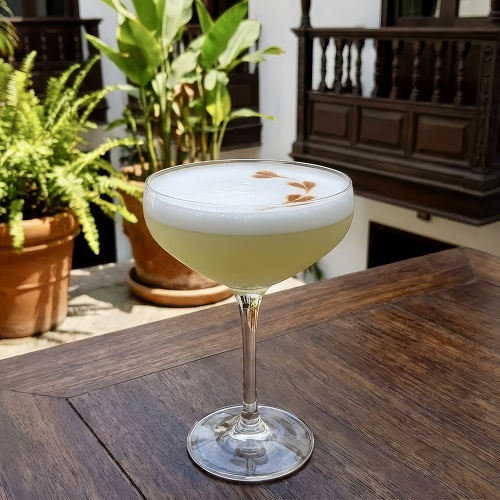
A Brief Introduction to the Pisco Sour 🌴
The Pisco Sour stands as one of the most distinguished cocktails in the pantheon of classic mixology. This elegant beverage combines the robust character of pisco, a grape-based spirit, with the bright acidity of fresh lime juice, balanced by sweetness and crowned with a silky layer of egg white foam and aromatic bitters. Let's dive into this South American legend!
A Brief History of Pisco Sour 🕰️
The history of Pisco Sour is a topic that can start fervent arguments between Peruvians and Chileans. Both nations claim Pisco as their national spirit. However, most historians agree that the Pisco Sour as we know it was born in Lima, Peru, during the early 1920s.
The story points to an American bartender named Victor Vaughen Morris. He opened Morris' Bar in Lima and essentially created a riff on the Whiskey Sour using the local spirit. It was arguably his bartender, Mario Bruiget, who added the egg white and Angostura bitters later on. This addition transformed a simple mixed drink into a silky, frothy legend. It is a historical mic drop in a glass.
Pisco Sour Cocktail Recipe ⛈️
Ingredients 📋
| Component | Measurement | Notes |
|---|---|---|
| Pisco | 2 oz | Go Peruvian for authenticity! |
| Fresh lime juice | 1 oz | Squeezed by hand, not a robot |
| Simple syrup | 0.75 oz | 1:1 sugar-water ratio |
| Egg white | 0.5 oz | From a chicken, not an emu |
| Angostura bitters | 3-5 drops | For artsy dot patterns |
| Ice | As needed | The colder, the better |
Instructions (Difficulty: Intermediate) 🧪
- Dry Shake First: Combine pisco, lime, syrup, and egg white in a shaker. Shake violently without ice for 15 seconds.
- Wet Shake Later: Add ice and shake again until your biceps whimper.
- Strain & Decorate: Strain into a chilled coupe glass(or rocks glass). Channel your inner Picasso by dotting bitters in a triangle, then drag a toothpick through them to create a heart/spiderweb/abstract painting.
Decoding the Classic Charm of Pisco Sour 🕵️♂️
Why We're Obsessed
- The Foam Factor: That silky egg white layer isn't just pretty, it softens the pisco's fiery edge like a diplomatic peace treaty.
- Citrus Sorcery: Lime juice cuts through the sweetness like a tangy machete, balancing flavors better than a yoga instructor.
Fun Facts to Impress Your Bartender 💡
- International Drama Queen: There's an International Pisco Sour Day (first Saturday of February), because why celebrate love when you can celebrate booze?
- Egg-cellent Origins: The earliest 1903 recipe omitted bitters; someone later added them to mask "egg-xiety".
- Bar Wars: Morris' bartenders allegedly stole his recipe and spread it across Lima hotels, making it the OG viral cocktail.
- NASA-Approved: During the 2019 solar eclipse, Peru launched a Pisco Sour into near space. (Okay, we made that up, but it feels true.)
Variations of the Pisco Sour cocktail 👩🍳
- Passion Fruit Pisco Sour(Maracuyá Pisco Sour): It replaces the lime juice with fresh passion fruit juice. It is tropical, tangy, and incredibly popular in Peru.
- The Chilcano Style Pisco Sour: This variation is a longer, more refreshing drink. Just Pour Pisco, fresh lime juice, and ginger ale in a chilled Collins glass over ice, and lightly stir.
- Spicy Pisco Sour: Muddle a small slice of jalapeño or rocoto pepper in the shaker before adding ingredients. The heat cuts through the sweetness beautifully.
Frequently Asked Questions About the Pisco Sour cocktail(FAQs) 🕵️
1. What exactly is Pisco, the ingredient in Pisco Sour?
Pisco is a grape brandy originally made by distilling fermented grape juice into a high proof spirit; it is prominent in both Peru and Chile.
2. Can I make a Pisco Sour without egg white?
Absolutely! While the egg white creates that signature silky texture and foam, you can substitute it with aquafaba (the liquid from a can of chickpeas), which froths beautifully and is completely vegan.
3. What type of Pisco should I buy for my Pisco Sour?
Look for a "Pisco Puro" made from the Quebranta grape. It is the non aromatic varietal that provides the sturdy backbone needed to stand up to the lime and sugar.
4. Is it safe to drink raw egg whites?
generally, yes. The alcohol and the citrus juice help "cook" the egg slightly, and the risk of salmonella in pasteurized eggs is very low. However, if you are immunocompromised or just nervous, use aquafaba (chickpea water) or a bottled egg white substitute.
5. Why do I need to dry shake before adding ice for my Pisco Sour?
The dry shake (shaking without ice first) allows the egg white to emulsify and create foam more effectively without the ice immediately chilling and diluting the mixture. The warmer temperature during the dry shake helps the proteins in the egg white unravel and trap air bubbles more efficiently. The subsequent shake with ice then chills the drink while maintaining the foam structure.
6. What can I use if I don't have Angostura bitters for my Pisco Sour?
While Angostura is traditional, you can use other aromatic bitters like Peychaud's (which will give it a slightly different spice profile and a pink hue) or even orange bitters for a citrusy twist.
7. Can I make Pisco Sour cocktails in a batch for a party?
Yes, but with a caveat. You can pre mix the pisco, lime juice, and simple syrup and keep it refrigerated. However, you'll need to shake each serving individually with egg white and ice to get that signature foam. Trying to batch the egg white usually results in disappointing texture.
8. How long does fresh lime juice stay good?
Fresh lime juice is best used within 24 hours for optimal flavor. After that, it starts to oxidize and lose its bright, fresh taste. If you're preparing for a party, squeeze your limes the morning of or the night before and store the juice in an airtight container in the refrigerator.
9. What's the difference between Peruvian and Chilean pisco?
Great question! Peruvian pisco is distilled to proof and never diluted with water, resulting in a spirit between 38% and 48% ABV. It's made from eight specific grape varieties and is typically unaged. Chilean pisco can be diluted after distillation and is often aged in wood, giving it a smoother, sometimes slightly different character. Both are excellent; it really comes down to personal preference and availability.
References:
[1]: https://www.diffordsguide.com/g/1133/sour-cocktails/pisco-sour
[2]: https://en.wikipedia.org/wiki/Pisco
[3]: [https://es.wikipedia.org/wiki/Pisco_sour](https://es.wikipedia.org/wiki/Pisco_sour]